What Happens During a Wildlife Inspection? A Homeowner's Guide to Protecting Your Property
A professional wildlife inspection, and home wildlife inspection are some of the best ways to protect your property from unwanted animal damage. Whether you’ve heard scratching in your attic, noticed unusual activity around your home, or simply want peace of mind, a professional inspection can uncover hidden problems before they become expensive repairs. At PCA Wildlife Removal, we help homeowners identify wildlife entry points, detect signs of animal activity, and recommend long-term solutions to keep wildlife out for good.
Why Wildlife Inspections Are Important
Wildlife doesn’t need a large opening to get inside your home. Animals such as squirrels, raccoons, bats, mice, and birds are experts at finding small gaps that most homeowners never notice. Once inside, they can quickly turn a safe home into their nesting site.
Over time, wildlife can cause serious damage, including:
- Chewed electrical wiring
- Torn or contaminated insulation
- Damage to roofing materials and wood structures
- Droppings and urine that create unpleasant odors
- Increased risk of parasites and bacteria
Many homeowners don’t realize they have a wildlife problem until the damage has already become significant. That’s why routine inspections are one of the best ways to protect your property.
What Professionals Look for During a Wildlife Inspection
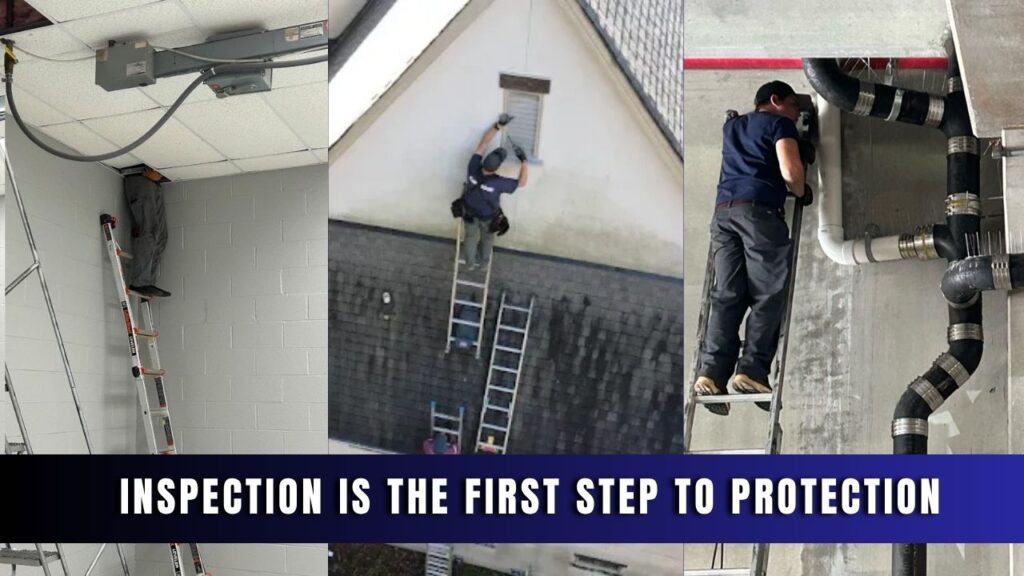
A wildlife inspection is much more than a quick walk around your property. Professionals carefully inspect both the exterior and interior of your home to determine whether wildlife is present and identify any areas that could allow animals to enter.
The roof is one of the first places inspected because it’s one of the most common access points for wildlife. Loose shingles, damaged roof vents, broken soffits, cracked fascia boards, and gaps around chimneys can all provide easy access to your attic.
Inside the attic, technicians look for evidence of wildlife activity, such as nesting materials, droppings, urine stains, damaged insulation, chewed wiring, and wood damage. Even if the animals are no longer there, these signs can reveal previous activity and help determine where they entered.
Inspectors also examine crawl spaces, foundations, decks, and porches, as these sheltered areas are attractive to raccoons, opossums, skunks, and rodents.
Common Entry Points Around Your Home
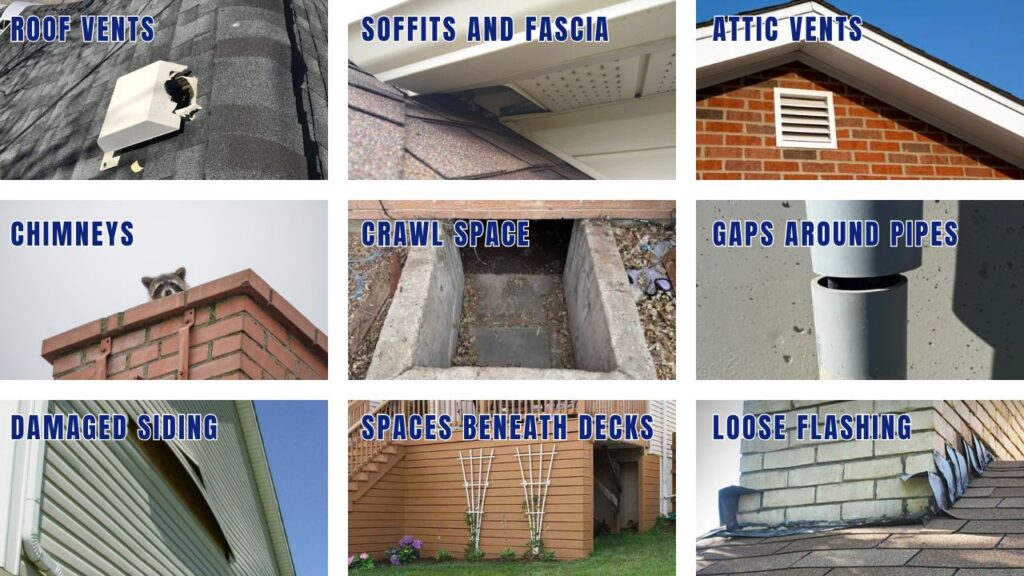
Wildlife can enter through openings that seem too small to be a concern. During an inspection, professionals carefully check the areas that animals most commonly use to gain access.
Some of the most common entry points include:
- Roof vents
- Soffits and fascia boards
- Attic vents
- Chimneys
- Crawl space vents
- Gaps around utility pipes and cables
- Damaged siding
- Spaces beneath decks and porches
- Loose flashing around the roof
Finding and securing these vulnerable areas helps prevent wildlife from returning.
Signs of Current or Previous Wildlife Activity
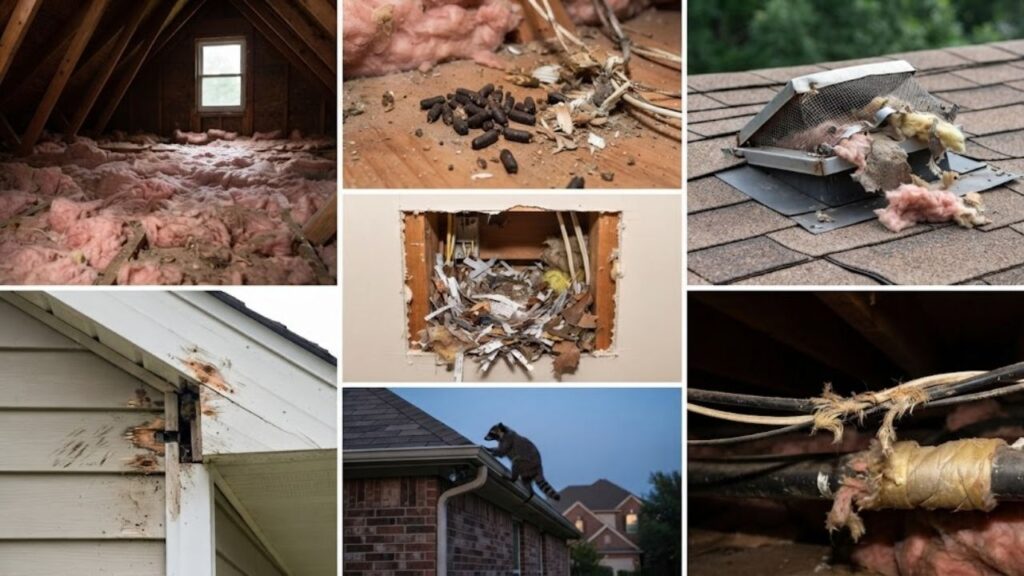
Many homeowners don’t realize they have a wildlife issue until substantial damage has already occurred. Some common warning signs include:
- Scratching or movement noises in walls or ceilings
- Droppings around the home
- Unpleasant odors
- Visible damage to vents, roofing, or siding
- Nesting materials
- Sightings of wildlife entering or leaving the home
- Chewed wires or insulation
If you notice any of these signs, it’s important to address the problem promptly.
How Early Inspections Can Prevent Costly Repairs
Wildlife damage usually starts small but rarely stays that way. A tiny opening in the roof may seem harmless, but it can quickly become a larger entry point as squirrels or raccoons chew and tear their way inside.
The longer wildlife remains in your home, the more expensive repairs can become. Damaged insulation, contaminated attics, destroyed vents, and chewed wiring often require much more than simple repairs.
Scheduling a professional wildlife inspection early allows potential problems to be identified before they become major restoration projects, saving both time and money.
Protect Your Home Before Wildlife Becomes a Bigger Problem
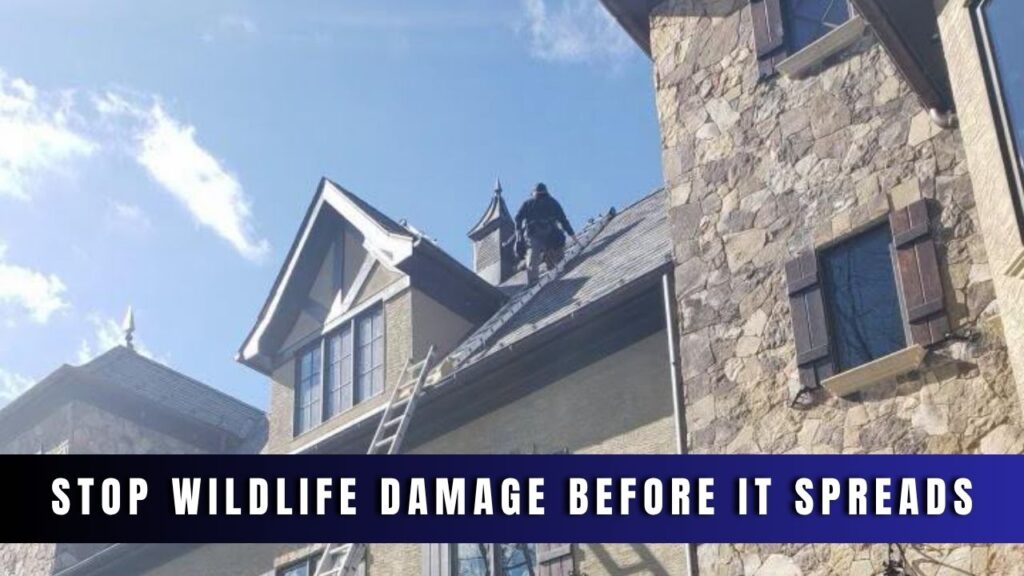
Wildlife often settles into a home long before homeowners realize there’s an issue. By the time scratching noises or visible damage appear, animals may have already been living there for weeks or even months.
A professional wildlife inspection provides peace of mind by identifying hidden problems, locating potential entry points, and helping prevent costly repairs in the future.
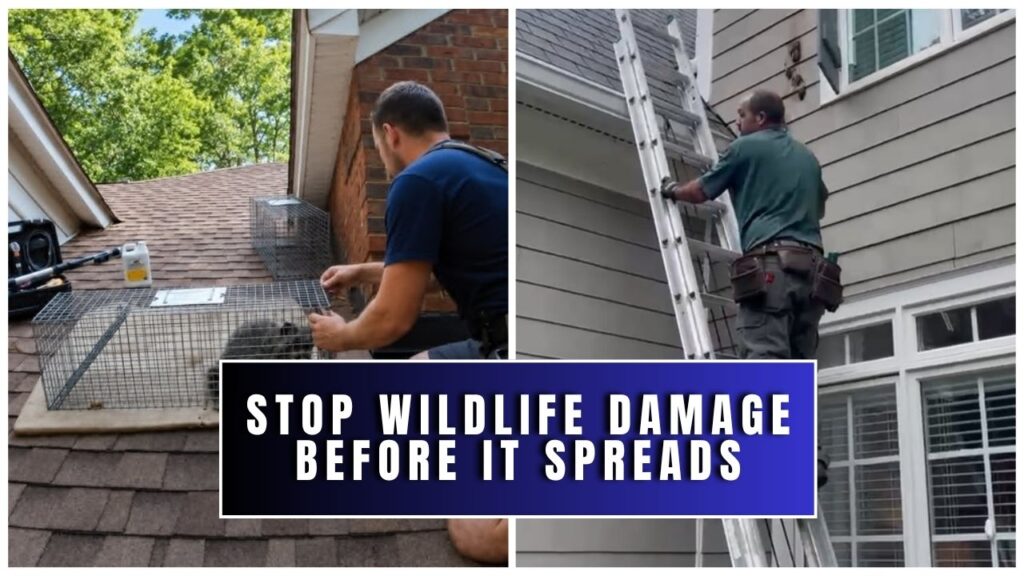
If you suspect wildlife activity or simply want to ensure your home is protected, PCA Wildlife Removal is here to help. Our experienced team provides thorough inspections, safe and humane wildlife removal, and long-term exclusion solutions designed to keep your property protected year-round.
Removal Service Areas Around Charlotte, NC
PCA Wildlife provides bat removal and bat exclusion services throughout the Charlotte NC area, including Mecklenburg County, Union County, Cabarrus County, Gaston County, Iredell County, Lincoln County, Rowan County, and York County SC.
Schedule a professional inspection and learn how to seal common bat entry points, protect your attic, and make your home less inviting to bats and other unwanted wildlife.
🌐 Visit: www.pcawildlife.com