
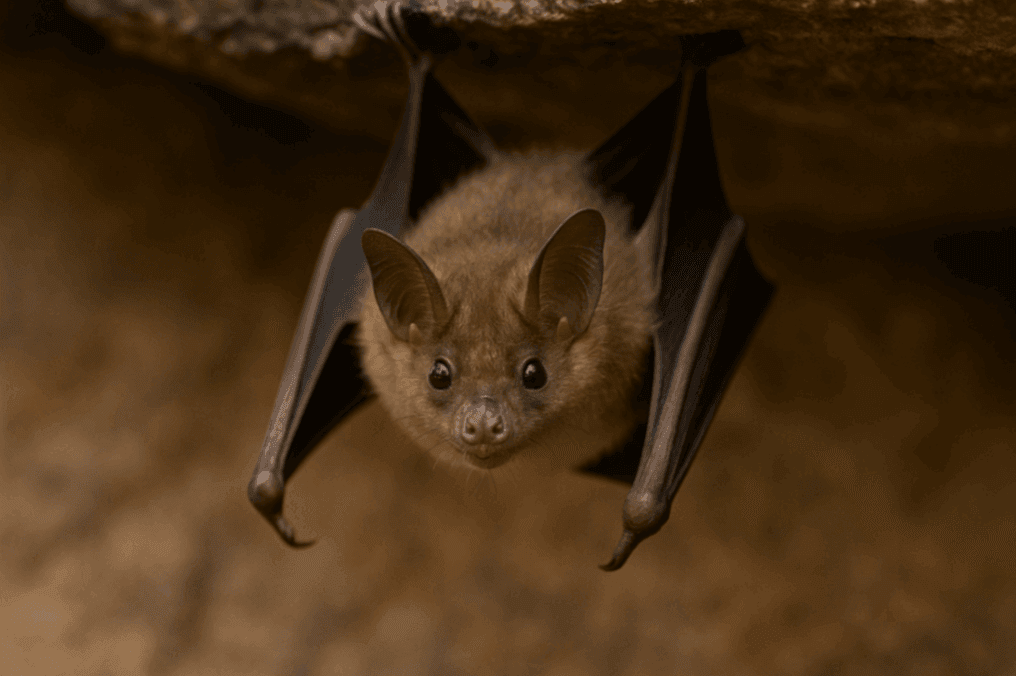

Bats in the Southeast: Important Information for Homeowners
Bats are common in the Southeast, but when they enter your home, they can cause damage and health risks. PCA Wildlife provides safe, humane bat removal to protect your home and family.
Common Bat Species in the Southeast
The Southeast is home to several bat species, including the Brazilian free-tailed bat, the Eastern red bat, and the big brown bat. These species are often found roosting in attics, barns, and other sheltered areas. They are primarily insectivores, feeding on mosquitoes, beetles, and moths, which makes them beneficial to the environment. However, when they roost in human dwellings, they can create significant challenges.
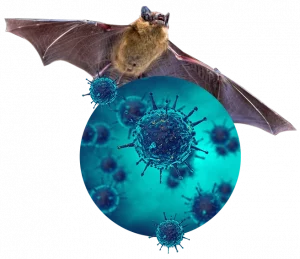
One of the most significant concerns associated with bats in the Southeast is the potential for disease transmission. While bats themselves are not aggressive, they can carry diseases that pose serious health risks to humans and pets.


Professionals In Charlotte Bat Removal
PCA Wildlife technicians are state certified, experienced in all these procedures and available year-round.
Diseases Carried by Bats in the Southeast

Rabies
Rabies is one of the most well-known diseases associated with bats. Although not all bats carry rabies, those that do can transmit the virus through bites or scratches. Rabies is a deadly disease if not treated promptly, making it crucial to avoid direct contact with bats.

Histoplasmosis
Another disease linked to bats is histoplasmosis, a respiratory illness caused by the inhalation of spores from the fungus Histoplasma capsulatum. This fungus thrives in soil enriched by bat guano (droppings). Infected individuals may experience flu-like symptoms, and in severe cases, the disease can lead to chronic lung issues.

Other Zoonotic Diseases
Bats can also be carriers of other zoonotic diseases, including leptospirosis and salmonella. These diseases can be transmitted through contact with bat urine, feces, or contaminated surfaces.
Bat Behavior and Seasonal Patterns in the Southeast
Understanding bat behavior and their seasonal patterns can help in managing and preventing infestations. In the Southeast, bats are most active during the warmer months, from late spring to early fall. During this time, they seek out roosting sites to give birth and raise their young. As temperatures drop in late fall, some bats migrate to warmer areas, while others enter a state of torpor, similar to hibernation, in secluded locations.
This seasonal activity means that bat infestations are more likely to occur in the spring and summer when bats are actively seeking shelter. Homeowners should be particularly vigilant during these times, inspecting their properties for signs of bat activity.
Given the potential health risks and the protected status of many bat species, it is essential to rely on professional wildlife removal services, like those offered by PCA Wildlife Removal, when dealing with a bat infestation. Our team is trained to handle bat issues humanely and effectively, ensuring the safety of both your family and the local bat population.

Call PCA Wildlife today
Our team is ready to help with fast, professional wildlife removal. Trust PCA Wildlife to keep your home safe and free from unwanted animals.
Taking care of wildlife control issues in Charlotte NC

Commercial Bird Control For your Business

General Wildlife Control

Bat Removal

Squirrel Removal

Raccoon Removal

Critter Removal
