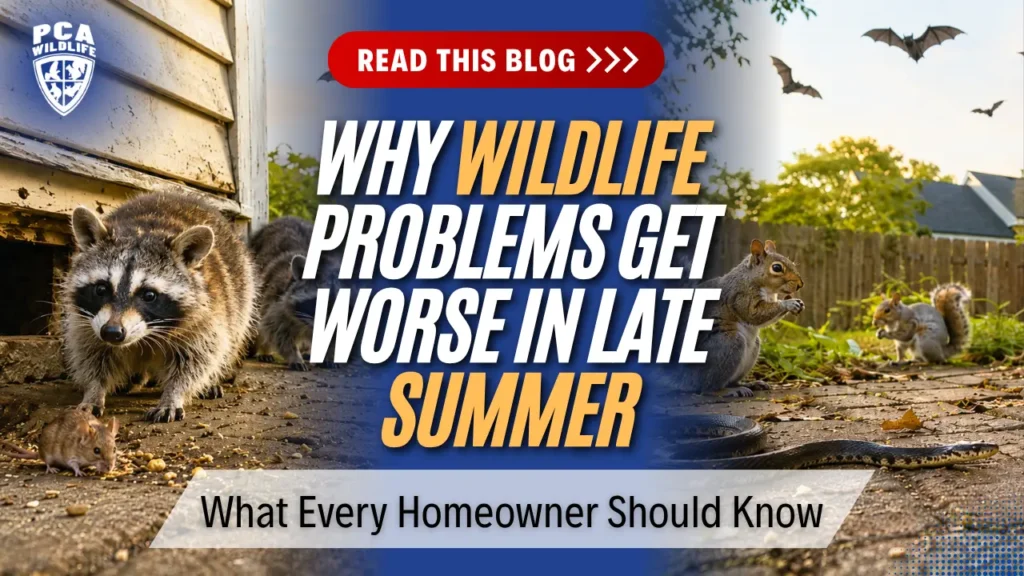
Why Wildlife Problems Get Worse in Late Summer: What Every Homeowner Should Know
As summer winds down in North Carolina, late summer wildlife problems often become more noticeable for homeowners. Raccoons, squirrels, bats, mice, snakes, and other nuisance wildlife become more active around attics, crawl spaces, roof vents, chimneys, and exterior entry points as they search for food, shelter, and safe nesting areas. While many people think wildlife removal is mainly a winter issue, late summer is one of the busiest seasons for attic wildlife, rodent activity, bat problems, squirrel damage, and raccoon entry around homes.
Why Is Late Summer a Peak Season for Wildlife Problems?
Wild animals operate according to seasonal patterns, and late summer marks a critical transition period. During this time, many species are preparing for the cooler months ahead by increasing their food intake, expanding their territories, and searching for secure shelter.
At the same time, young animals born earlier in the year are becoming more active and independent. This combination often leads to increased encounters between wildlife and homeowners.
Food Sources Become More Attractive
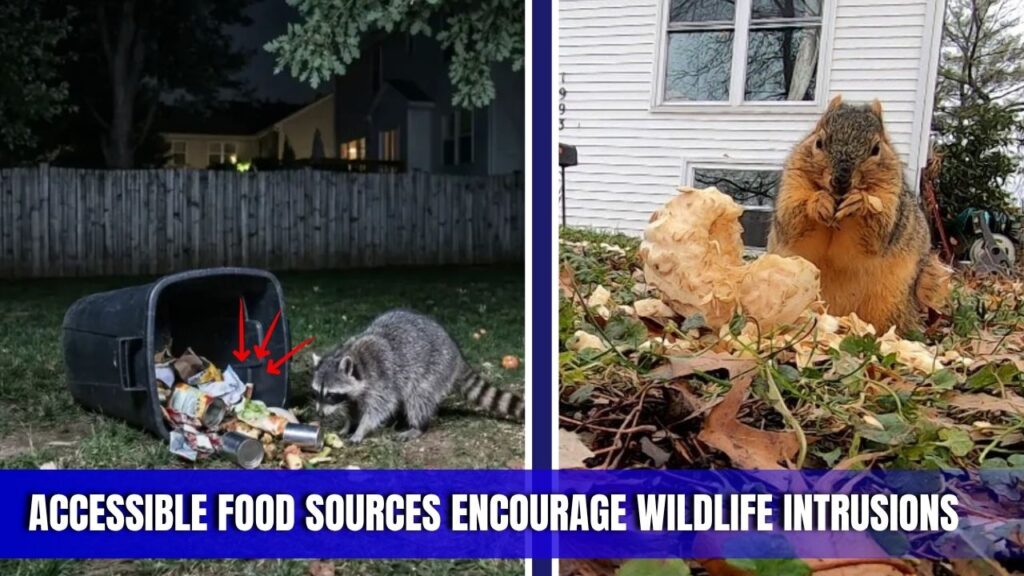
Late summer provides an abundance of food opportunities that attract wildlife to residential areas. Gardens, fruit trees, bird feeders, garbage cans, pet food, and compost piles can all serve as easy meals for animals.
Raccoons, squirrels, rodents, and other wildlife quickly learn where reliable food sources exist and may return repeatedly once they discover them.
Young Wildlife Are Exploring New Territories
Many animals give birth during the spring and early summer months. By late summer, their offspring are old enough to leave the nest or den and begin searching for their own shelter and food sources.
This increase in animal movement often means homeowners are more likely to notice wildlife activity around their property, including noises in attics, sightings near the home, or signs of entry around the roofline.
Animals Begin Searching for Shelter
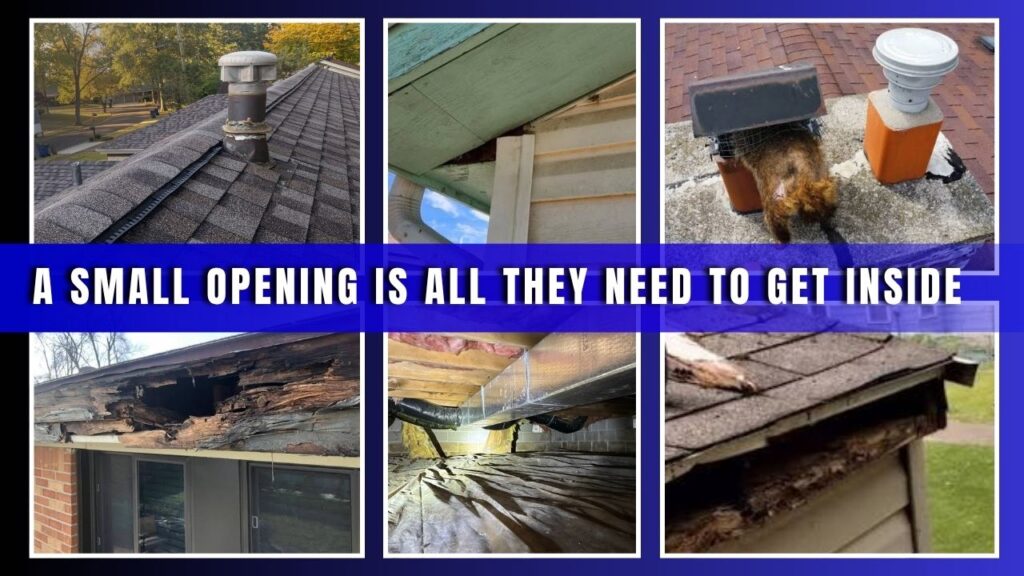
As temperatures gradually begin to change, wildlife starts preparing for fall and winter. Homes provide attractive shelter because they offer warmth, protection from predators, and safe places to nest.
Common entry points include:
- Roof vents
- Attic openings
- Chimneys
- Damaged soffits and fascia
- Crawl space vents
- Gaps around siding and utility lines
Even a small opening can become an entry point for wildlife seeking shelter.
Common Wildlife Problems Homeowners Face in Late Summer
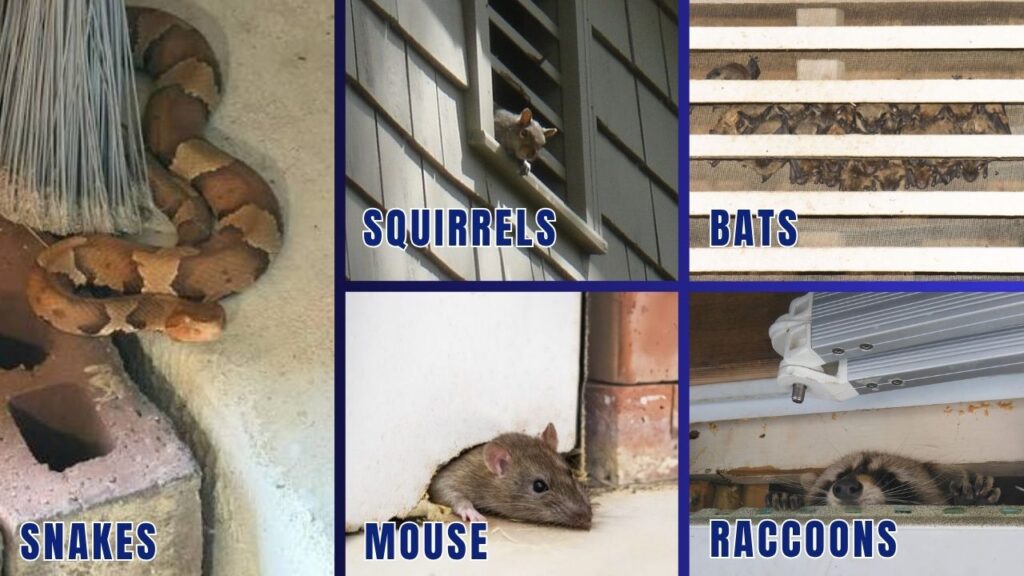
Raccoons
Raccoons are highly adaptable and often target attics, crawl spaces, and chimneys. They can tear insulation, damage ductwork, and leave behind significant contamination.
Squirrels
Squirrels frequently enter attics through roof gaps or damaged vents. Once inside, they may chew on wood, insulation, and electrical wiring, creating both property damage and fire hazards.
Bats
Late summer is a particularly active period for bat colonies. Homeowners may notice increased activity around rooflines, attics, and vents as bats prepare for seasonal migration or establish long-term roosting sites.
Mice and Other Rodents
Rodents reproduce rapidly and can enter homes through surprisingly small openings. They often remain hidden until the population has grown significantly, making early detection especially important.
Snakes
As late summer brings increased wildlife activity, snakes may be drawn to residential properties in search of food, water, or shelter. They often hide in crawl spaces, basements, garages, woodpiles, or overgrown landscaping, especially where rodents are present.
Signs You May Have a Wildlife Problem
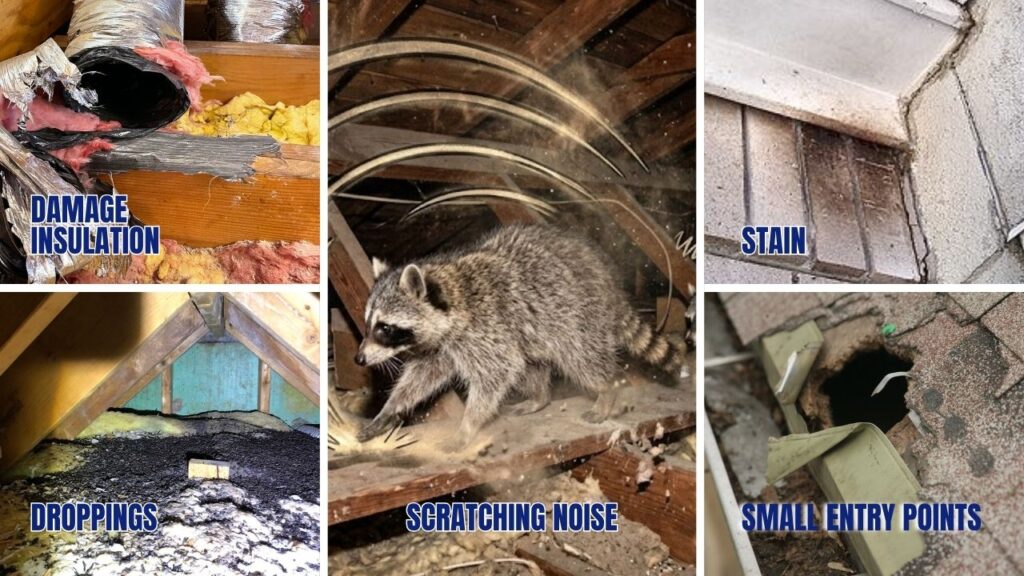
Many homeowners don’t realize they have a wildlife issue until substantial damage has already occurred. Some common warning signs include:
- Scratching or movement noises in walls or ceilings
- Droppings around the home
- Unpleasant odors
- Visible damage to vents, roofing, or siding
- Nesting materials
- Sightings of wildlife entering or leaving the home
- Chewed wires or insulation
If you notice any of these signs, it’s important to address the problem promptly.
Why Early Action Matters
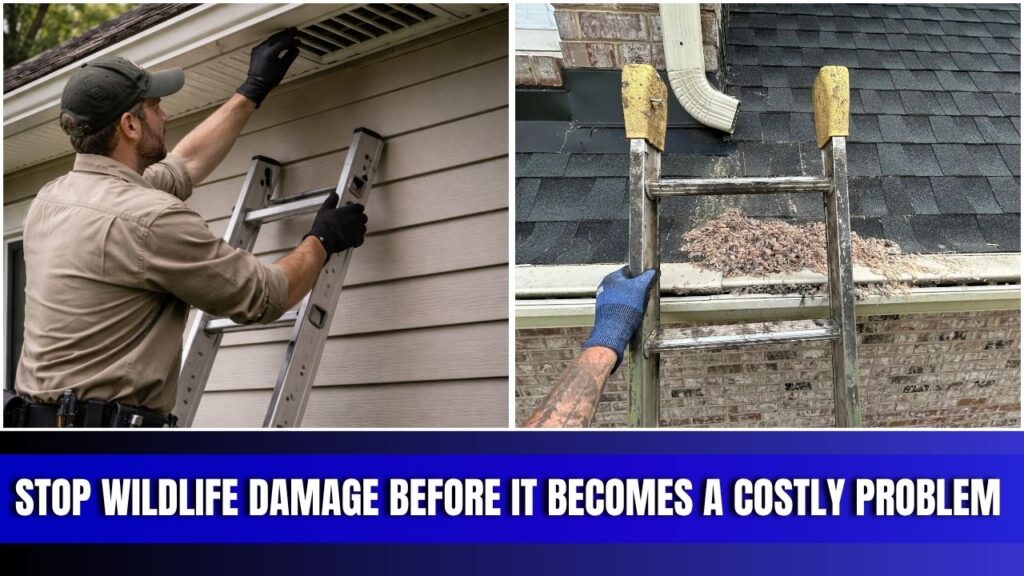
Wildlife problems rarely resolve themselves. In fact, they often become more severe over time as animals continue nesting, reproducing, and causing damage.
Delaying action can result in:
Higher repair costs
Structural damage
Contaminated insulation
Increased health risks
Larger wildlife populations inside the home
Professional inspection and exclusion services can help identify entry points, safely remove wildlife, and prevent future infestations.
Protect Your Home Before Wildlife Moves In
Late summer is one of the most important times of year to inspect your home for potential wildlife entry points. Taking preventive action now can help protect your property before small problems become major repairs.
At PCA Wildlife, we provide professional wildlife removal, attic inspections, and exclusion services designed to keep your home protected year-round.
If you’ve noticed signs of wildlife activity around your property, don’t wait until the damage gets worse.
Removal Service Areas Around Charlotte, NC
PCA Wildlife provides bat removal and bat exclusion services throughout the Charlotte NC area, including Mecklenburg County, Union County, Cabarrus County, Gaston County, Iredell County, Lincoln County, Rowan County, and York County SC.
Schedule a professional inspection and learn how to seal common bat entry points, protect your attic, and make your home less inviting to bats and other unwanted wildlife.
🌐 Visit: www.pcawildlife.com