
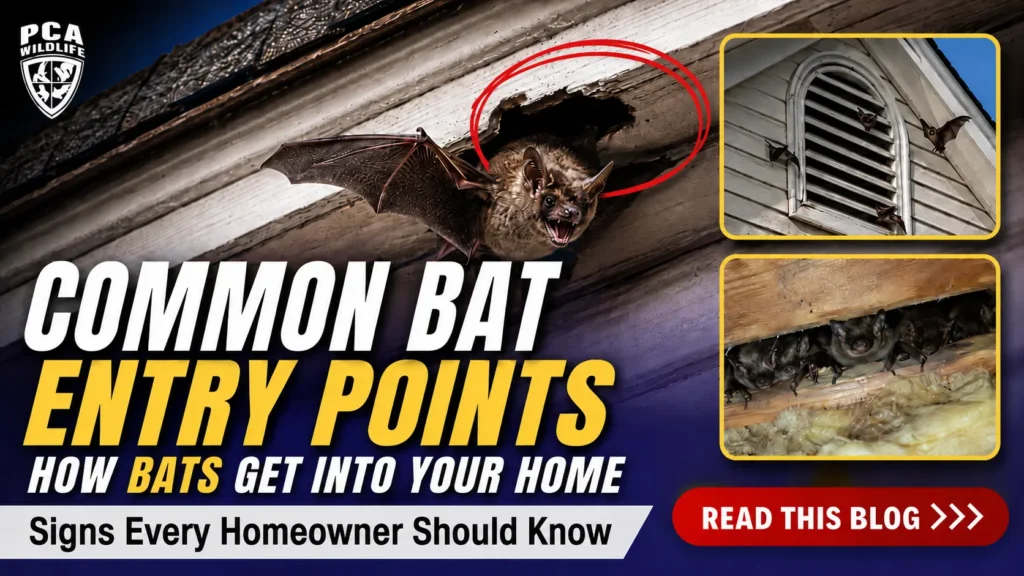
Common Bat Entry Points: How Bats Are Getting Into Your Home
When homeowners search for bat removal, bat control, bat exclusion, bats in the attic, or common bat entry points, it usually starts with one scary question: How are bats getting into my house? Bats do not need a big hole to enter a home. In many cases, they can squeeze through small gaps around the roofline, vents, soffits, chimneys, siding, and attic openings. Once inside, bats often settle in attics, wall voids, or high roof areas where they can stay hidden for weeks or even months.
Bats Don’t Need Much Space to Get Inside
One of the biggest surprises for homeowners is how small a bat entry point can be. A bat can often squeeze through an opening about the size of a dime or a gap as small as ⅜ of an inch. That means tiny cracks, loose trim, and small construction gaps can become an open doorway into your attic.
Bats are not chewing their way in like squirrels or rats. Instead, they look for existing openings. If your home already has a gap, they may use it.
1. Gaps Along the Roofline
The roofline is one of the most common places bats enter a home. These gaps are often found where different parts of the roof meet, especially around peaks, corners, dormers, and fascia boards.
From the ground, these openings can be hard to see. But to a bat flying near your home at dusk, even a small gap can look like the perfect shelter.

2. Soffit and Fascia Openings
Soffits and fascia boards help protect the edges of your roof, but they can become weak spots over time. Loose boards, rotted wood, storm damage, or poor construction can create gaps where bats can slip inside.
Once bats enter through the soffit area, they may move into the attic or settle in tight spaces near the roof edge.
3. Attic Vents and Gable Vents
Attic vents are designed to let your home breathe, but if the screens are damaged, loose, or missing, they can also let bats in. Gable vents are especially common bat entry points because they are high, sheltered, and easy for bats to access.
A damaged vent screen may not look like a major issue, but it can quickly become a bat access point.
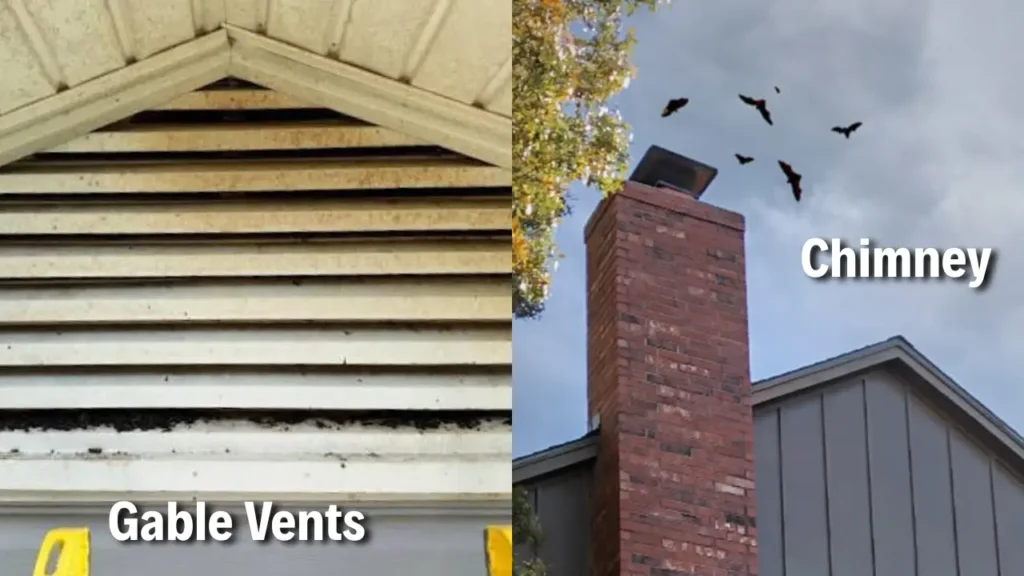
4. Chimneys
Chimneys can also attract bats, especially if there is no proper cap or if the chimney cap is damaged. Bats may enter through the top and end up inside the chimney, attic area, or even living space.
If you hear scratching, fluttering, or movement near the fireplace or chimney, it is important not to ignore it.
5. Loose Siding, Trim, and Construction Gaps
Small gaps behind siding, trim boards, brick transitions, and roof returns can provide just enough space for bats to enter. These areas are often overlooked because they may not look like obvious holes.
Older homes and homes with recent repairs or renovations may have hidden gaps that are easy for bats to find.
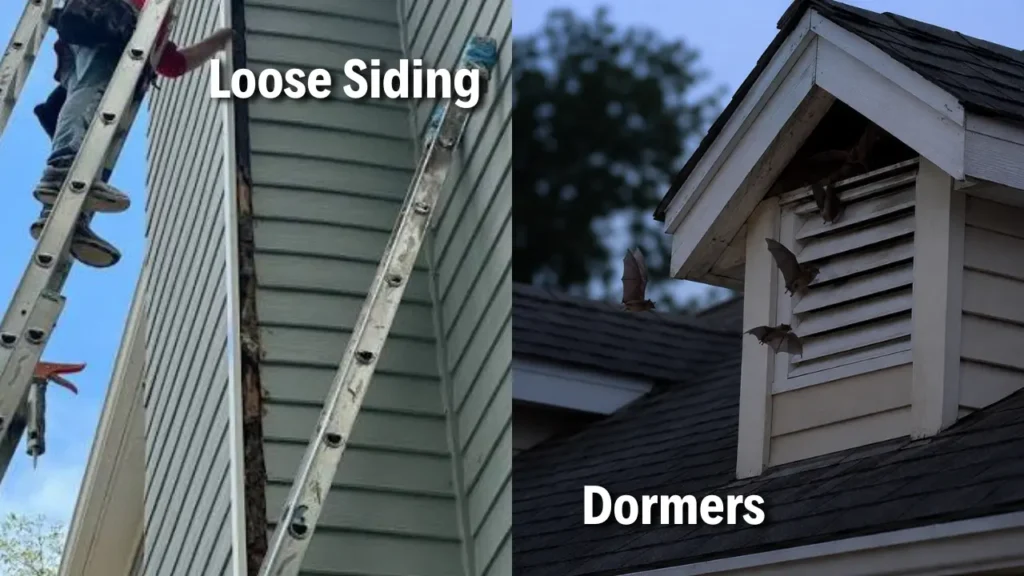
6. Dormers and Roof Returns
Dormers and roof returns create multiple corners and seams where small gaps can form. These areas are often high off the ground and protected from weather, making them attractive to bats.
If bats are flying around the same section of your roof at dusk, a dormer or roof return could be the entry point.
Signs Bats May Be Using an Entry Point
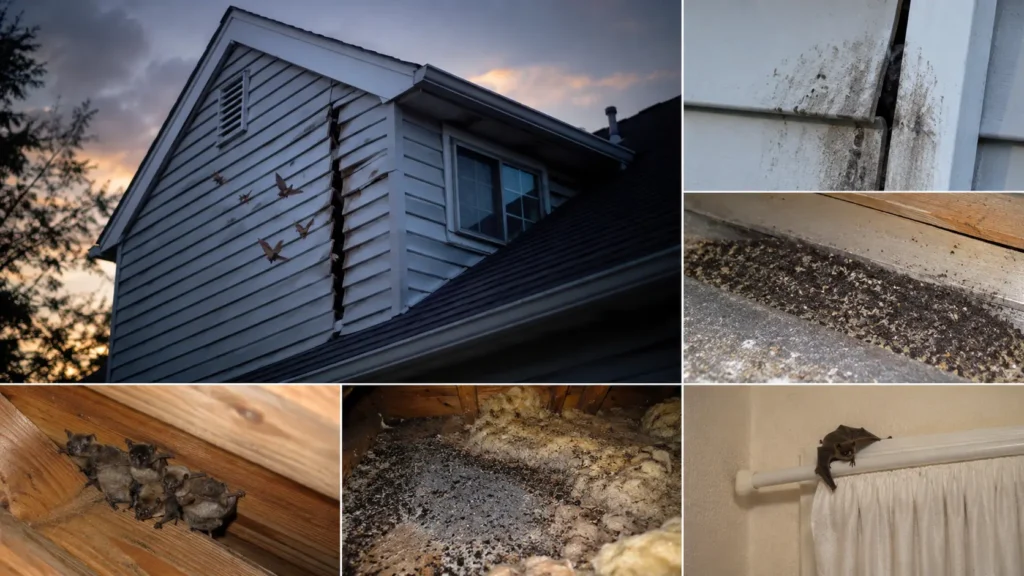
Common signs of bat activity include:
- Bats flying out of the same area at dusk
- Chirping or squeaking sounds in the attic or walls
- Dark staining around a gap or vent
- Bat droppings near the foundation, roofline, or attic
- A strong odor coming from attic spaces
- A bat found inside the living area
If you notice one bat, there may be more nearby. Bats often live in groups, especially in attic spaces.
Why You Should Not Seal Bat Entry Points Yourself
It may seem simple to close a hole, but sealing a bat entry point at the wrong time can cause bigger problems. If bats are trapped inside, they may move deeper into the home or end up in the living space.
During certain times of the year, baby bats may also be present and unable to fly. Professional bat exclusion is designed to remove bats safely while preventing them from getting back in.
PCA Wildlife Can Help
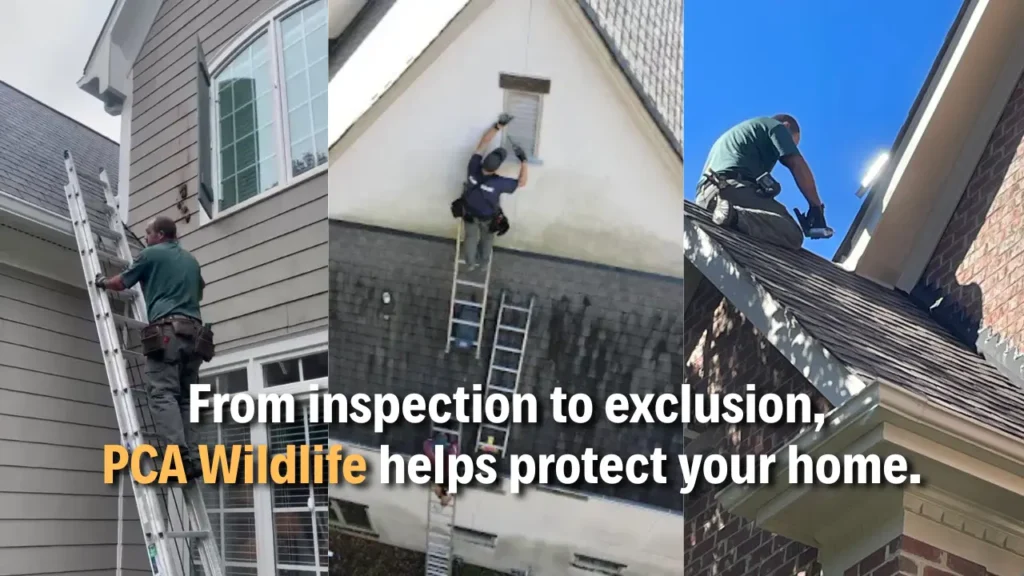
If you suspect bats are getting into your home, PCA Wildlife can inspect the structure, identify common bat entry points, and provide professional bat removal and exclusion services. Our goal is to remove the bats safely, seal the access points properly, and help protect your home from future bat problems.
Do not wait until bats become a bigger issue. If you are seeing bats near your roofline, hearing noises in the attic, or finding droppings around your home, contact PCA Wildlife today for a professional bat inspection.
Bat Removal Service Areas Around Charlotte, NC
PCA Wildlife provides bat removal and bat exclusion services throughout the Charlotte NC area, including Mecklenburg County, Union County, Cabarrus County, Gaston County, Iredell County, Lincoln County, Rowan County, and York County SC.
Schedule a professional inspection and learn how to seal common bat entry points, protect your attic, and make your home less inviting to bats and other unwanted wildlife.
🌐 Visit: www.pcawildlife.com