Can Bats Damage Your Home? Signs, Risks, and What to Do Next
Bats in the attic are a common wildlife problem for many homeowners. If you’ve noticed bats flying around your house at dusk or heard noises coming from your attic, you may be wondering: Can bats damage your home? While bats don’t chew through wood or wiring like rodents, a bat infestation can still lead to costly issues. Understanding the signs of bat damage, how bats enter homes, and when to seek professional bat removal and bat exclusion can help protect your property before the problem gets worse.
The answer might surprise you. Unlike squirrels or rodents, bats don’t chew through wood, electrical wiring, or insulation. However, that doesn’t mean they’re harmless. A bat colony can create serious problems over time, especially when it settles in your attic.
Here’s what every homeowner should know.
Do Bats Chew Through Your Home?
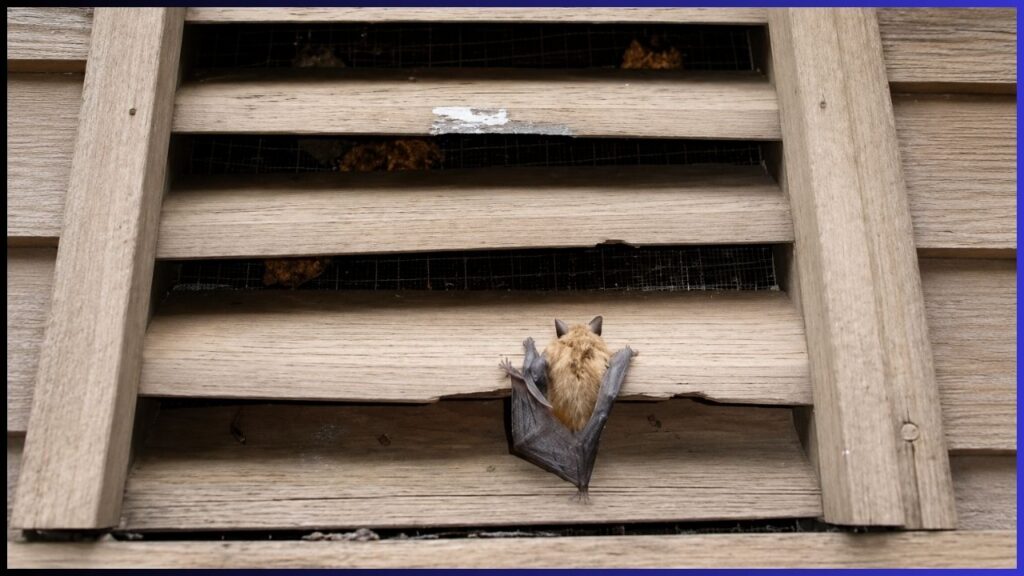
No. Bats are not rodents, so their teeth aren’t designed for chewing through building materials. They won’t gnaw on wood, electrical wiring, or siding the way squirrels or mice do.
Instead, bats take advantage of existing openings around your home. Small gaps near rooflines, soffits, fascia boards, vents, chimneys, or flashing often provide all the space they need to get inside.
Because they only need a very small opening to enter, many homeowners don’t realize there’s a problem until a colony has already moved in.
How Do Bats Get Into Homes?
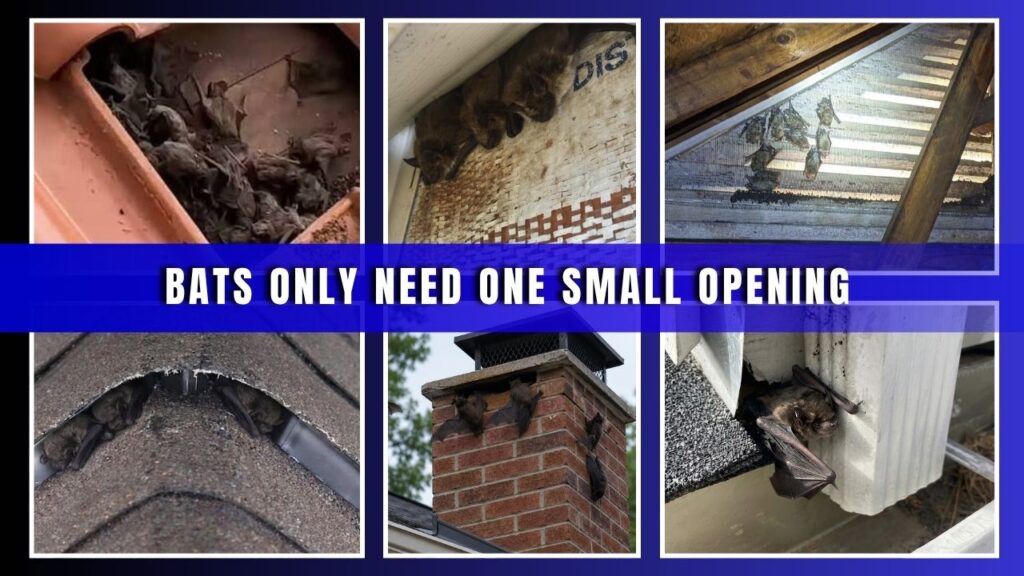
Bats are excellent climbers and flyers, allowing them to access areas that are difficult for homeowners to inspect.
Common entry points include:
- Roofline gaps
- Loose soffits
- Gable vents
- Ridge vents
- Chimney flashing
- Openings around fascia boards
Once inside, they typically choose dark, quiet spaces like attics where they can safely roost.
The Real Damage Comes From Bat Colonies
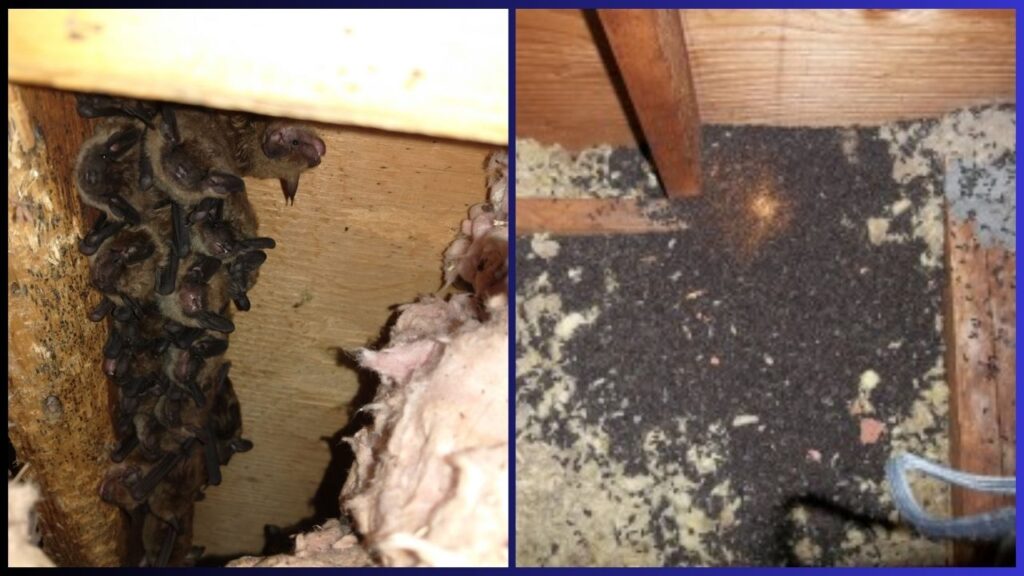
While bats don’t destroy your home’s structure by chewing, they can still create significant issues over time.
Guano Buildup
Bat droppings, known as guano, accumulate quickly beneath roosting areas. Large colonies can produce a surprising amount of waste, which can compress insulation and create difficult cleanup conditions.
Strong Odors
As guano and urine build up, they create persistent odors that can spread throughout the attic and even into your living spaces.
Staining
Bat urine may leave dark stains on wood, drywall, ceilings, and exterior entry points where the colony regularly enters and exits.
Contamination
Accumulated guano can contaminate attic insulation and other materials, making cleanup more extensive once the colony has been present for an extended period.
Why Waiting Can Become Expensive
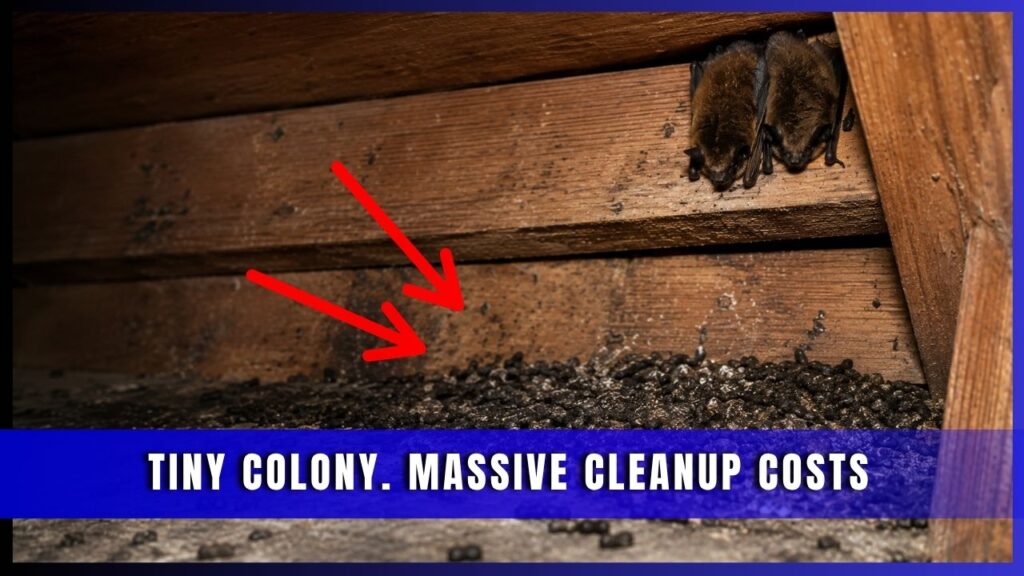
One or two bats may not seem like a major concern, but colonies often grow over time.
The longer bats remain in your attic, the more waste accumulates, increasing the amount of cleanup and restoration that may be needed. What starts as a small wildlife issue can eventually require insulation replacement, sanitation, odor removal, and repairs.
Early action is often far less costly than waiting until the problem becomes severe.
Why Professional Bat Exclusion Is the Best Solution
Removing bats isn’t just about getting them out—it’s about keeping them out.
Professional bat exclusion uses specialized one-way devices that allow bats to leave safely while preventing them from returning. Once the colony has exited, wildlife professionals seal the entry points to help prevent future infestations.
This approach provides a long-term solution while protecting both your home and the bats.
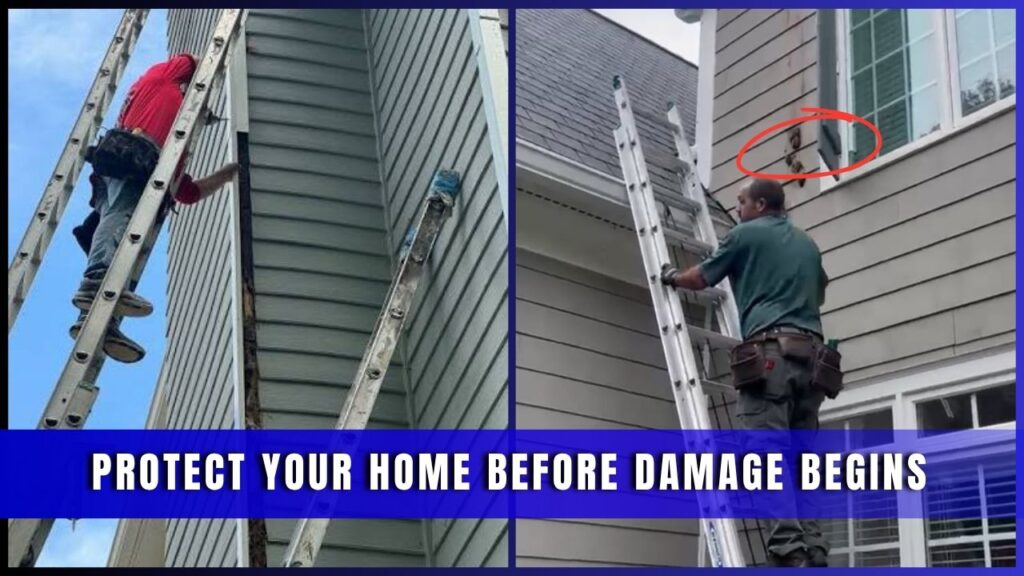
Protect Your Home Before the Problem Grows
If you’ve seen bats around your roof or suspect activity in your attic, don’t ignore the signs. Addressing the issue early can help prevent larger cleanup costs and protect your home from long-term contamination.
Removal Service Areas Around Charlotte, NC
PCA Wildlife provides bat removal and bat exclusion services throughout the Charlotte NC area, including Mecklenburg County, Union County, Cabarrus County, Gaston County, Iredell County, Lincoln County, Rowan County, and York County SC.
Schedule a professional inspection and learn how to seal common bat entry points, protect your attic, and make your home less inviting to bats and other unwanted wildlife.
🌐 Visit: www.pcawildlife.com