
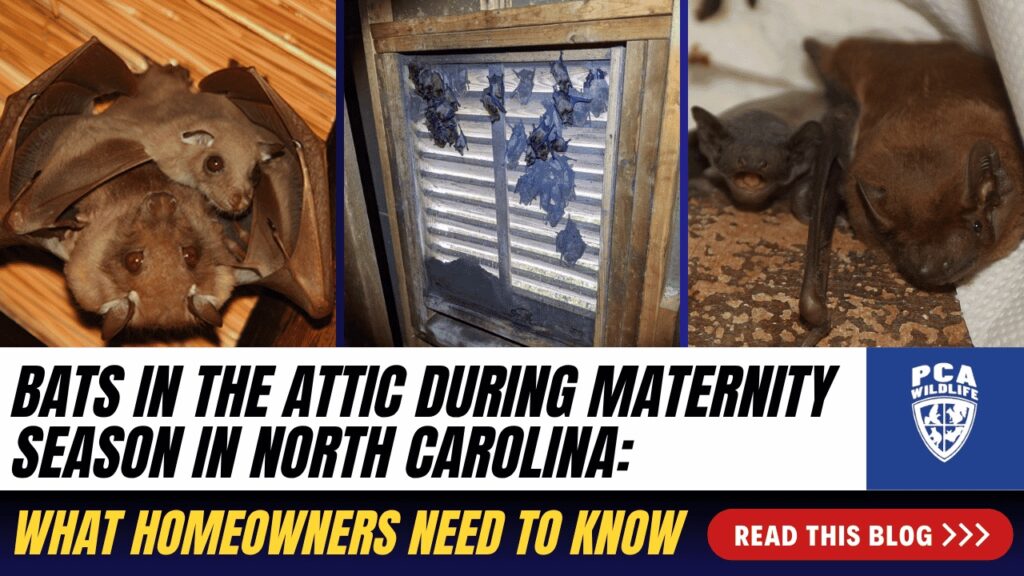
Bats in the Attic During Maternity Season in North Carolina: What Homeowners Need to Know
Bats in the attic, bat maternity season North Carolina, bat removal Charlotte NC, attic bats, humane bat removal, bat exclusion services — these are common concerns for homeowners this time of year, and for good reason.
Bat maternity season in North Carolina typically runs from May through July. During this period, female bats give birth and raise their young inside safe, sheltered spaces like attics. If you’re hearing scratching, chirping, or movement at night, there’s a strong chance bats have made their way into your home.
Why You Should Never Seal Bats in the Attic Right Now
One of the biggest mistakes homeowners make is sealing entry points too early.
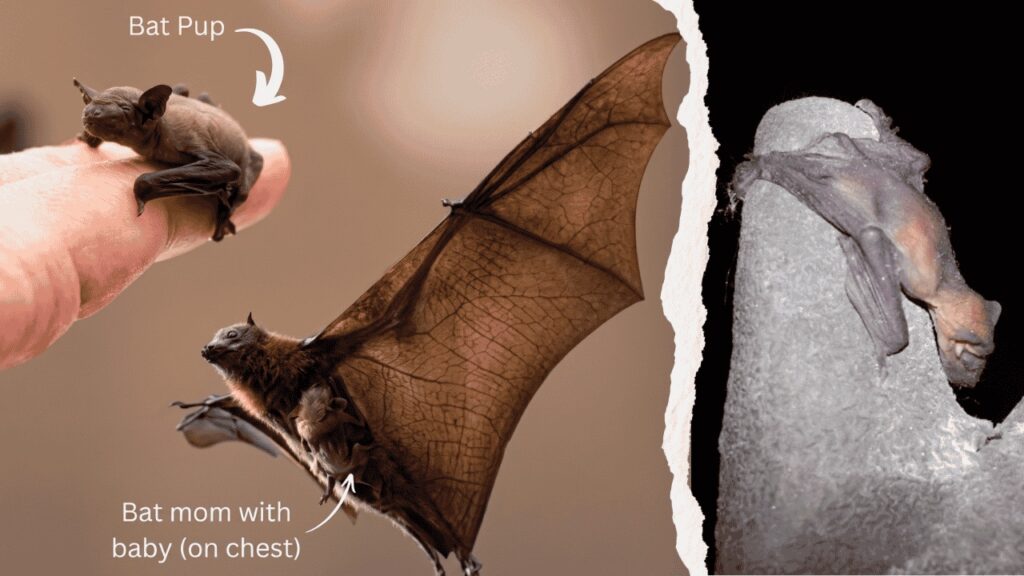
Baby bats (pups) are born unable to fly. They rely entirely on their mothers, who leave the attic at night to feed and return before sunrise. If the main entry point is sealed during this time, adult bats are locked out—and the babies are left behind.
This can quickly turn into a serious problem:
- Dead bats in the attic
- Strong, persistent odors
- Contamination from droppings (guano)
- Increased risk of bats entering your living space
In many cases, the adult bats will search for alternative ways back in, which can lead them directly into walls, ceilings, or even inside your home.
What You Can Do During Bat Maternity Season
The good news is you don’t have to wait and do nothing. There are safe, effective steps that can be taken right now to manage the situation properly.
1. Professional Inspection
A thorough inspection identifies:
- Primary entry points
- Secondary gaps and vulnerabilities
- The size and location of the colony
2. Seal Secondary Entry Points
While the main exit must remain open during maternity season, other potential access points can and should be sealed. This prevents bats from spreading to other areas of the home.
3. Containment Strategies
Inside the attic, professionals can take steps to:
- Confine bats to a specific area
- Reduce the risk of them entering living spaces
- Limit contamination spread
4. Plan for Proper Exclusion
Once the baby bats are able to fly (typically late summer), a full exclusion can be safely completed. This involves installing one-way devices that allow bats to exit but not re-enter, followed by sealing the main entry point.

Why Timing Matters in Bat Removal
Bat removal isn’t just about getting them out—it’s about doing it at the right time.
Attempting removal during maternity season without proper knowledge can make the problem worse, more expensive, and more hazardous. Humane and effective bat exclusion depends on understanding bat behavior and seasonal patterns.
Signs You May Have Bats in Your Attic
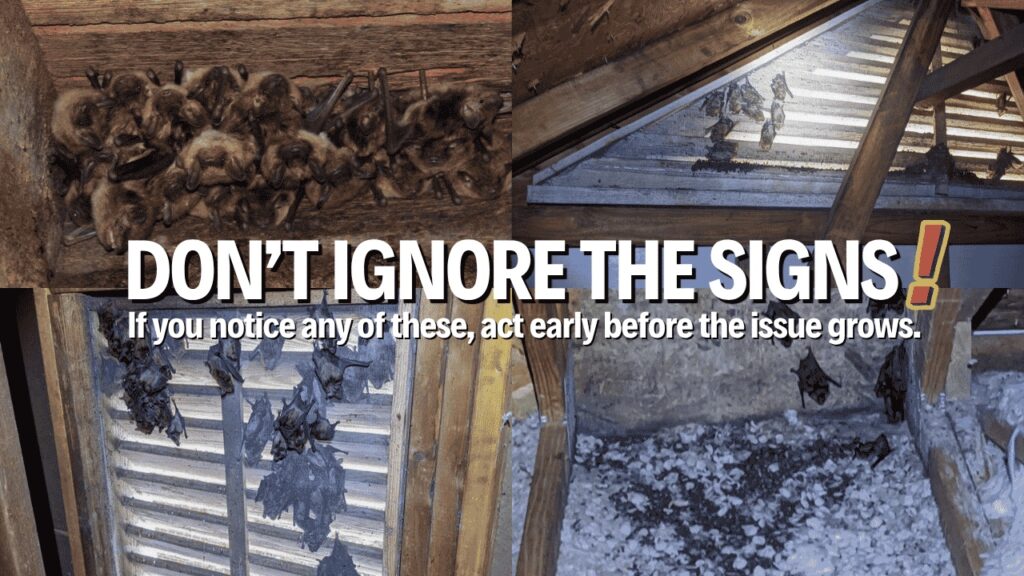
Watch for these common signs:
- Scratching or fluttering sounds at night
- Chirping noises (especially at dusk or dawn)
- Dark stains or rub marks near rooflines or vents
- Droppings (guano) accumulating below entry points
If you notice any of these, it’s best to act early before the situation escalates.
Get Ahead of the Problem
If you’re hearing activity in your attic, now is the time to get ahead of it. A professional plan during maternity season can prevent costly damage, health risks, and bigger infestations later on.
At PCA Wildlife, we specialize in safe, humane bat removal and exclusion in Charlotte, North Carolina, and surrounding areas. We understand the importance of timing and use proven methods to protect your home without creating additional problems.
Final Thoughts
Bats in your attic during maternity season can be stressful, but acting too quickly can cause bigger problems. Focus on safe, well-timed solutions now to protect your home and handle removal properly later.
If you hear activity in your attic, contact a professional to assess the situation and guide you through the next steps.
Don’t seal them in—handle it the right way.

👉 PCA Wildlife – Protecting homes from seasonal wildlife intrusions across North Carolina.
📞 Call us today: (704) 387-5395
🌐 Visit: www.pcawildlife.com