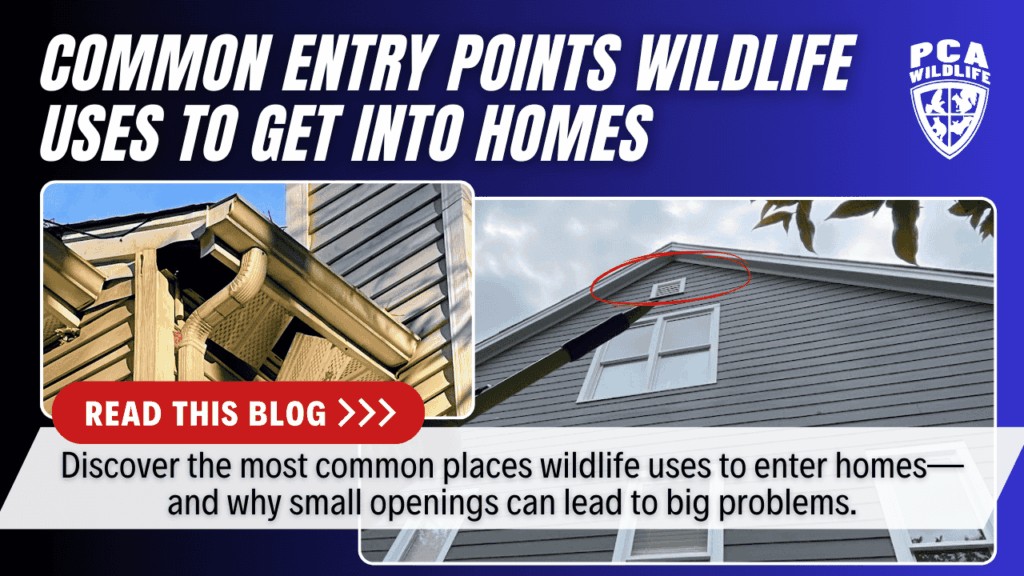
Common Entry Points Wildlife Uses to Get Into Homes
Wildlife removal issues often begin long before homeowners hear scratching or scurrying sounds. Animals such as squirrels, raccoons, birds, bats, and rodents frequently access homes through the common entry points wildlife uses, including rooflines, vents, soffits, chimneys, and small structural gaps. These areas provide warmth, shelter, and protection from predators, making residential homes an attractive nesting space—especially during colder months or breeding seasons.
Rooflines: The Most Common Access Point
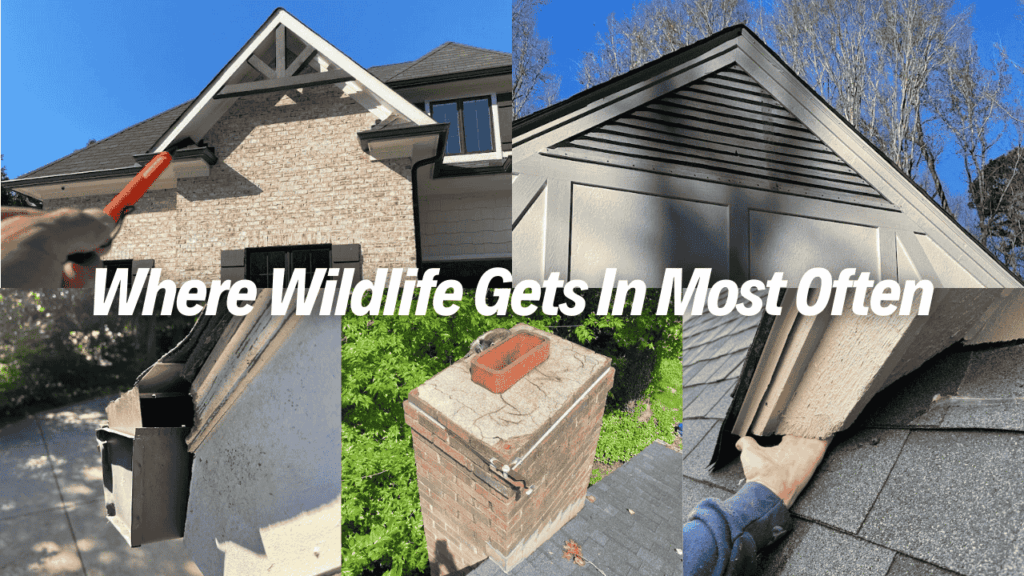
Rooflines are one of the easiest entry points for wildlife. Loose shingles, aging materials, and roof-to-wall intersections create small openings that animals can widen over time. Squirrels and raccoons are especially skilled climbers and can exploit even minor weaknesses along the roofline to access attics.
Vents: Warm Air Attracts Wildlife
Bathroom, kitchen, and dryer vents release warm air, which draws wildlife looking for shelter. Birds, squirrels, and rodents often enter through uncovered or damaged vents to build nests. Once inside, nesting materials can block airflow and create fire hazards or indoor air quality issues.
Soffits: Hidden and Vulnerable
Soffits are designed to protect the underside of roof overhangs, but they can weaken due to moisture damage or age. Wildlife can push through compromised soffits or use existing gaps to enter attic spaces. Because soffit damage is not always visible from the ground, infestations often go unnoticed until noise or odors appear.
Chimneys: An Open Invitation
Uncapped chimneys provide a direct pathway into the home. Birds, raccoons, squirrels, and bats frequently enter chimneys seeking warmth or a place to nest. Without proper chimney caps, animals can become trapped or enter interior living spaces.
Small Gaps and Openings: Big Problems
Wildlife doesn’t need large openings to get inside. Rodents can squeeze through gaps as small as a coin, while larger animals will chew or tear to expand existing openings. Areas around siding, fascia boards, utility lines, and foundation joints are common access points.
Why Entry Points Lead to Repeat Problems
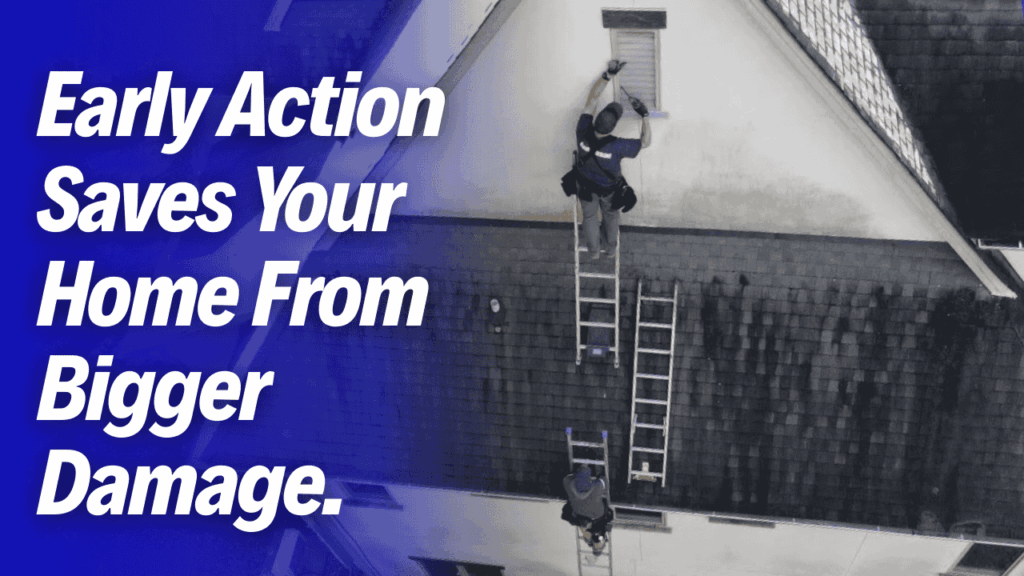
If entry points are not properly sealed after wildlife removal, animals—or new ones—will return. Wildlife follow scent trails and remember successful access points, making professional exclusion and repairs critical for long-term prevention.
How PCA Wildlife Helps
At PCA Wildlife Removal, we focus on more than just removing the animal. Our process includes a thorough inspection to identify all entry points, humane removal, professional exclusion, and structural repairs to help prevent future infestations.
When to Call a Professional
If you notice scratching noises, droppings, damaged vents, or roofline issues, early intervention can prevent extensive damage and costly repairs.
Contact PCA Wildlife today to schedule a professional inspection and protect your home from unwanted wildlife intrusion.
📞 Call us today:
Charlotte NC – (704) 661-8228
Winston-Salem – (336) 331-5559
🌐 Visit: www.pcawildlife.com
If you need assistance or want to schedule an inspection, our team is just a call away.